Introduction
In an age where technology dominates our lives, the art of storytelling has found a new Dance Studio Tigard and exciting medium: movement. Schools across the globe are recognizing the profound impact that dance and movement can have on storytelling. Inspiring Storytelling through Movement Offered by Quality Local Schools is more than just a phrase; it's a growing movement that integrates dance, drama, and physical expression into educational curricula. This article explores how local schools are harnessing the power of movement to inspire creativity and foster emotional intelligence among students.
What is Inspiring Storytelling through Movement?
The Essence of Movement in Storytelling
Movement is a universal language capable of conveying emotions and narratives without uttering a single word. By engaging in various forms of dance or physical expression, students learn to communicate complex ideas and feelings. Whether it’s through contemporary dance or traditional folk styles, movement offers layers of meaning that can be explored in an educational context.
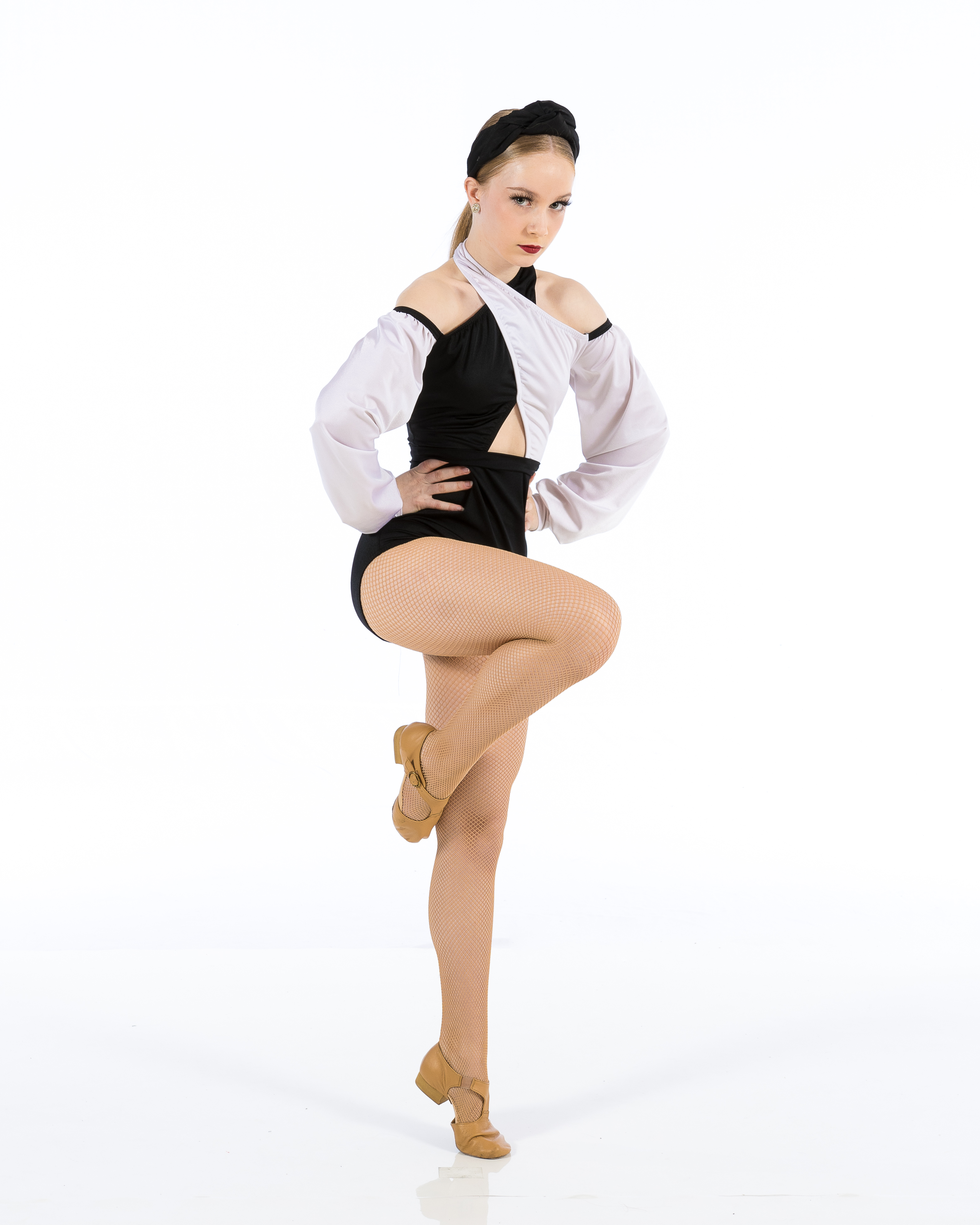
Why Movement Matters in Education
Why should educators incorporate movement into their teaching methodologies? The answer lies in the multifaceted benefits it brings to students:
- Enhances Creativity: Dancing encourages imaginative thinking. Builds Confidence: Performing helps children gain self-esteem. Improves Physical Health: Regular movement keeps kids active. Fosters Emotional Intelligence: Understanding body language enhances empathy.
The Role of Dance Studios in Educational Settings
Collaborating with Local Dance Studios
Local dance studios play a crucial role in bridging the gap between artistic expression and education. Many schools partner with these studios to provide students with professional training and opportunities for performance, which further enriches their storytelling skills.
Programs Offered by Dance Studios
Dance studios often offer specialized programs designed for schools, including:
- Workshops on Movement Techniques Classes on Improvisation and Choreography Performance Opportunities Community Engagement Projects
How Schools Implement Movement-Based Storytelling
Curriculum Integration Strategies
Schools are increasingly incorporating movement into their curricula through various strategies:
Thematic Units: Integrating dance into subjects like literature or history. Collaborative Projects: Encouraging teamwork through group choreography. Cross-disciplinary Approaches: Combining art with science or math.Examples of Successful Initiatives
Many local schools have pioneered successful initiatives that emphasize movement-based storytelling:
- A middle school drama program that includes contemporary dance as part of its narrative structure. An elementary school art class where students use body movements to express emotions depicted in paintings.
Benefits of Movement-Based Storytelling for Students
Cognitive Development Through Dance
Engaging in dance enhances cognitive abilities such as memory retention, critical thinking, and problem-solving skills. When students learn choreography, they must remember sequences, analyze rhythms, and adapt their movements—skills that serve them well academically.
Social Skills Development
Participating in group dances fosters social interaction among peers. Students learn cooperation, teamwork, and conflict resolution—all vital life skills that extend beyond the classroom.
Inspiring Student Engagement Through Performance
Showcasing Talent Through Recitals
Recitals are fantastic avenues for students to showcase their work. They not only allow children to share their stories but also bring communities together to celebrate creativity.
Building Community Spirit
Events centered around student performances promote inclusivity and support from families and local residents. This community engagement creates a nurturing environment for young artists to thrive.
The Emotional Impact of Dance on Young Learners
Expressing Feelings Through Movement
Dance allows children to express emotions they may struggle to articulate verbally. It serves as a therapeutic outlet for many young learners dealing with stress or anxiety.
Case Studies on Emotional Growth
Several studies indicate that students participating in dance programs show improved emotional resilience compared to those who do not engage in any form of artistic expression.
Addressing Challenges Faced by Schools
Limited Resources
One challenge schools often face when implementing movement-based storytelling is limited funding for arts programs. However, collaboration with local dance studios can mitigate some financial constraints by providing resources at lower costs.
Resistance from Traditional Education Models
Some educators may resist integrating unconventional teaching methods like movement-based storytelling due to adherence to dance workshops Newberg traditional models. Advocating for the benefits backed by research can help alleviate these concerns.
FAQs about Dance-Based Education Programs
What types of dance styles are typically taught?- Most programs include ballet, jazz, hip-hop, contemporary, and cultural dances based on regional influences.
- Parents can volunteer for events or attend meetings regarding arts education initiatives.
- Dance programs usually cater to all ages; however, specific classes might target certain age groups more effectively.
- Many programs welcome beginners! It's all about exploring creativity at one’s own pace.
- Studies show that creative expression improves focus and cognitive skills essential for learning other subjects effectively.
- Absolutely! Inclusive dance programs ensure every child has an opportunity to participate fully regardless of ability levels.
Conclusion
In conclusion, the concept of Inspiring Storytelling through Movement Offered by Quality Local Schools represents a dynamic shift towards holistic education that prioritizes creativity alongside academics. With local dance studios playing an integral role in this evolution, students not only enhance their artistic skills but also cultivate emotional intelligence and social competencies essential for real-world success. As more schools embrace this innovative approach, we can look forward to witnessing future generations enriched by the power of storytelling through movement—a truly captivating journey worth taking!