Introduction
Dance is more than just a form of artistic expression; it’s a transformative journey that fosters physical strength, emotional resilience, and mental well-being. In the realm of fitness, dance workouts have emerged as a powerful tool for building endurance, flexibility, and coordination. So, how does one harness the power of dance to cultivate resilience? Welcome to “Rhythmic Resilience: Building Strength through Dance Workouts”, where we explore the myriad ways dance can enhance your strength and overall health.
In this article, we’ll delve deep into the benefits of incorporating dance workouts into your fitness regime while providing practical tips and insights to help you maximize your experience. Whether you’re an experienced dancer or a ballet dance novice looking to start your journey, there’s something here for everyone!
Rhythmic Resilience: Building Strength through Dance Workouts
Dance workouts combine rhythm, music, and movement in a way that not only promotes physical fitness but also enhances mental clarity and emotional stability. When you engage with dance, you're not just moving – you're telling a story with your body. This storytelling aspect contributes significantly to building resilience.
Why Choose Dance Workouts?
A Fun Way to Stay Fit
Many people struggle with traditional workout regimens because they feel monotonous or tedious. Dance workouts offer an engaging alternative. With various styles ranging from Zumba to hip-hop and ballet-inspired workouts, you're bound to find a class that excites you!
- Variety: Different styles keep things fresh. Social Interaction: Group classes create community. Fun Factor: Enjoyment increases adherence.
Emotional Benefits
Beyond the physical advantages, dance workouts can have profound emotional benefits:
- Stress Relief: Movement releases endorphins. Boosted Confidence: Mastering new moves enhances self-esteem. Expressive Outlet: Dance allows for emotional expression.
How Dance Workouts Build Physical Strength
Muscle Engagement
One of the most appealing aspects of dance is its ability to engage multiple muscle groups simultaneously:
- Core Strengthening: Almost every dance move requires core engagement. Leg Power: From pliés to leaps, your legs get quite the workout. Arm Definition: Movements often incorporate arm work.
Cardiovascular Health
Dance workouts elevate heart rates effectively:
Increased heart rate improves cardiovascular endurance. Regular practice helps reduce heart disease risk.
Finding Your Perfect Dance Studio
When starting your dance workout journey, finding the right dance studio is crucial:
Researching Local Studios
Begin by exploring studios in your area that offer diverse classes tailored for different skill levels:
- Look for reviews online to gauge experiences from past participants. Check out their class schedules and variety of offerings.
Trial Classes
Most studios provide trial classes or introductory offers. Take advantage of this! It’s an excellent opportunity to assess:
- The instructor's teaching style The studio environment Class size
Types of Dance Workouts You Can Try
Whether you’re looking for high-energy cardio or something more graceful, there’s a style for everyone:
Zumba: Dancing Your Way Fit
Originating from Latin rhythms, Zumba is an exhilarating way to burn calories while having fun!
Ballet Fitness: Grace Meets Strength
Ballet-inspired workouts focus on posture and flexibility while enhancing muscle tone.
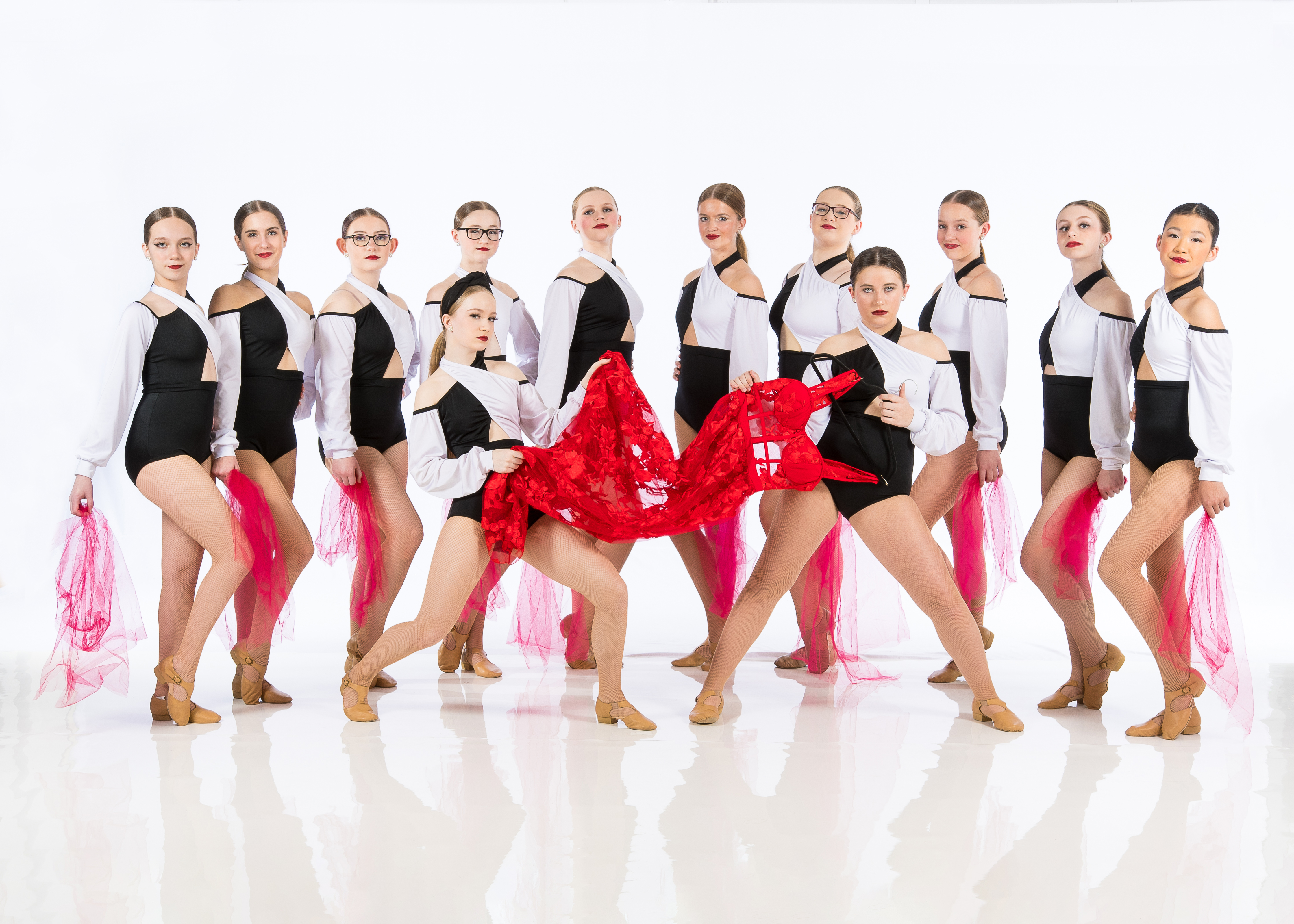
Hip-Hop Cardio: Get Down While You Tone Up
This genre combines street dance with aerobic workout techniques—perfect for those who want something upbeat!
Contemporary Dance Workout: Express Yourself
Fusing various styles with storytelling elements can make every session unique.
Creating A Home Dance Workout Routine
If heading out isn’t feasible every time, why not professional dance studio bring the studio experience home?
Online Resources and Apps
Several platforms offer online classes tailored for all skill levels:
YouTube channels dedicated to dance fitness Subscription apps like Peloton and Daily BurnSetting Up Your Space
Even a small area can become your personal studio!
- Clear space Invest in good speakers
Incorporating Mindfulness into Your Dance Practice
Mindfulness plays a crucial role in enhancing both performance and enjoyment during dance workouts:
Breathing Techniques
Focus on synchronized breathing which aids movement flow:
Inhale during expansive movements. Exhale during contractions or intense effort.Visualization Strategies
Imagine movements before executing them which can drastically improve coordination.
Building Community through Dance Classes
Joining group classes at your local dance studio fosters connection:
Social Benefits of Group Classes
Being part of a community leads to motivation and support:
Make new friends who share similar interests. Encourage each other towards fitness goals!Frequently Asked Questions (FAQs)
Q1: What are the primary benefits of taking dance workouts?
A1: They improve physical strength, enhance cardiovascular health, boost mood through endorphin release, and foster social connections.
Q2: Do I need prior dancing experience to join a class?
A2: Absolutely not! Most classes cater to all skill levels; you'll find beginner-friendly options at local studios.
Q3: How many times per week should I do dance workouts?
A3: Ideally, aim for 3–5 times per week for optimal results while allowing recovery days.
Q4: Can I lose weight doing dance workouts?
A4: Yes! Depending on intensity and duration, you can burn significant calories during each session leading toward weight loss goals.
Q5: What should I wear during my dance workout?
A5: Wear comfortable clothing that allows freedom of movement along with supportive footwear designed for dancing or aerobics.
Q6: How do I prevent injuries while dancing?
A6: Always warm up before class begins; listen to your body during movements; maintain proper alignment throughout exercises.
Conclusion
In conclusion, embracing “Rhythmic Resilience: Building Strength through Dance Workouts” means embarking on a journey filled with joy, connection, and empowerment. Whether within the walls of a vibrant dance studio or in the comfort of your own home, these rhythmic sessions will help you cultivate not just physical strength but also emotional resilience.
So lace up those dancing shoes! Dive into this beautiful art form that promises transformation one beat at a time! Let’s get moving towards happier hearts and stronger bodies—one step at a time!